Story
North America Nebula, captured with traditional astrophotography
My first traditional astrophotography result: NGC7000, the North America Nebula, captured with the Askar FMA135 and Nikon D5300
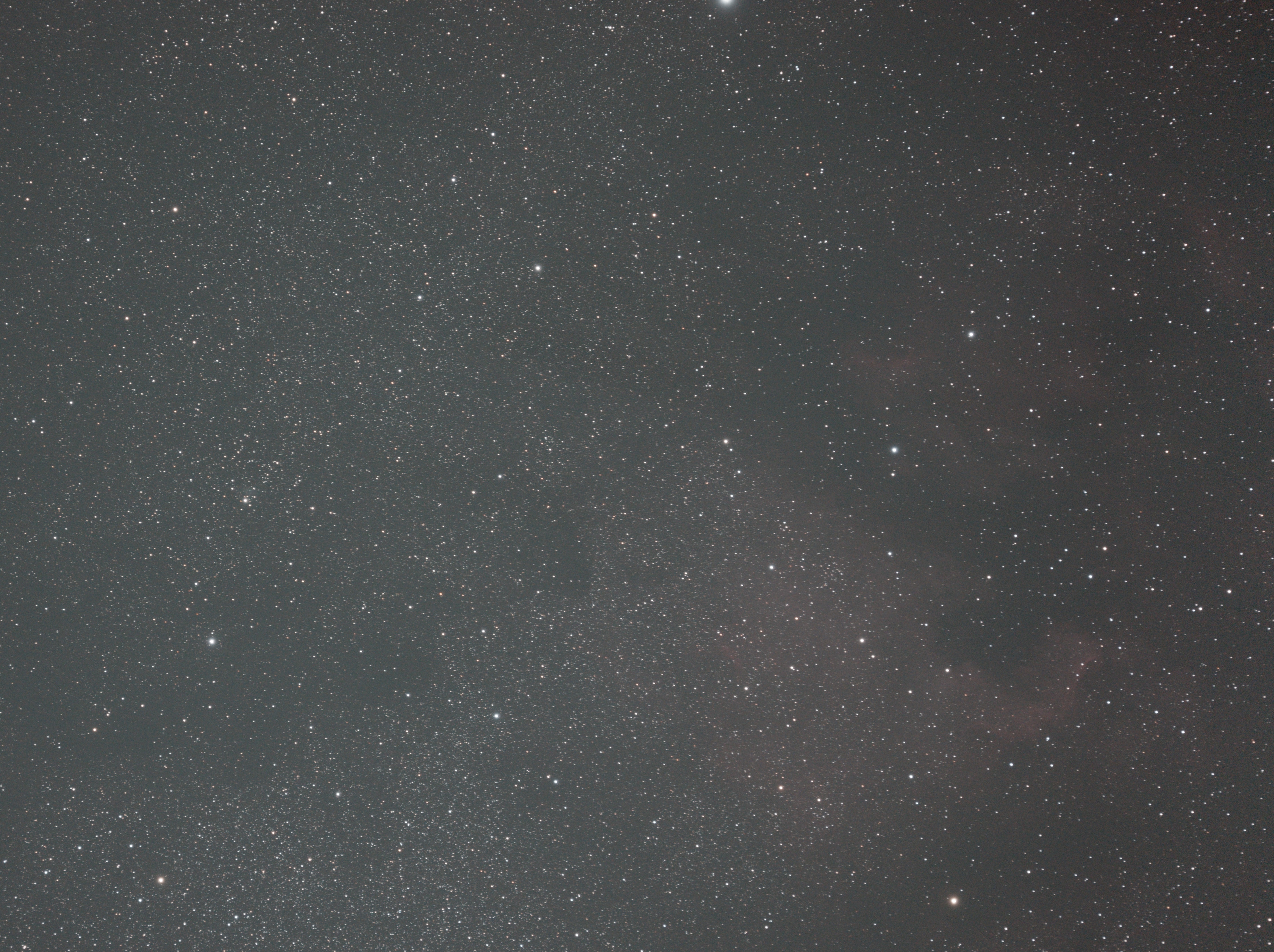
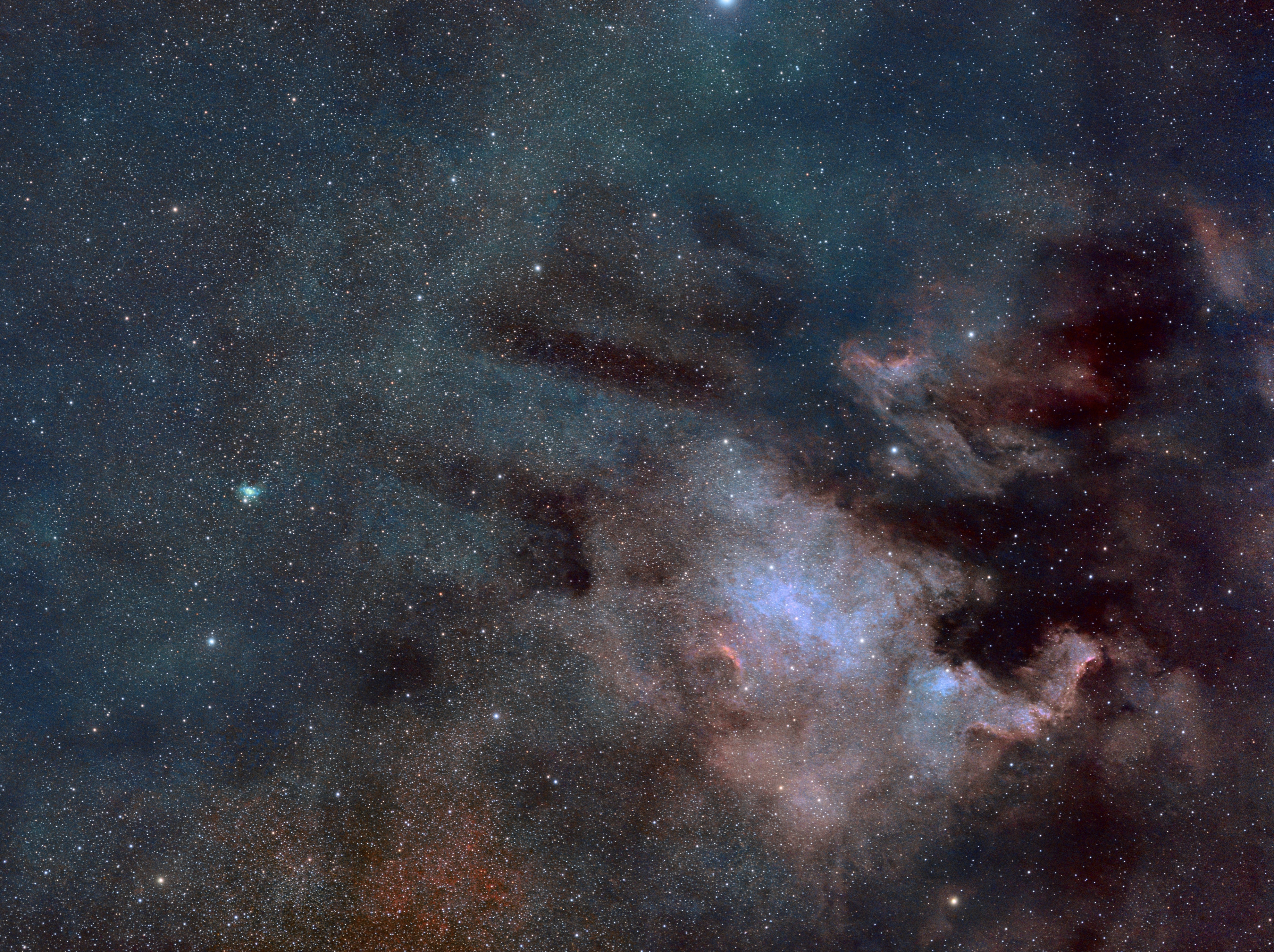
North America Nebula, captured with traditional astrophotography
This is the North America Nebula, along with the Pelican Nebula. This is far from the most amazing rendition of this subject; actually, this isn’t even my best rendition of this subject. But tonight, it’s the image that I’m most proud of, because it’s the first image that I successfully captured and processed using traditional astrophotography gear instead of “smart telescopes.”
Smart telescopes are absolutely wonderful. I began my astronomical journey through our universe with a Seestar S50 six months ago, and I absolutely adore using it. For the past few months, though, I have been slowly accumulating the pieces needed to accomplish what I’m sharing tonight. I started with a secondhand tripod and equatorial mount, then added my 20-year-old Nikon D5300. I purchased an Askar FMA135 when it was incredibly discounted, and assembled a hodgepodge of connectors and adapters to string it all together, including a 1.25"-2" step-up adapter so that I could use my Optolong L-Quad Enhance filter.
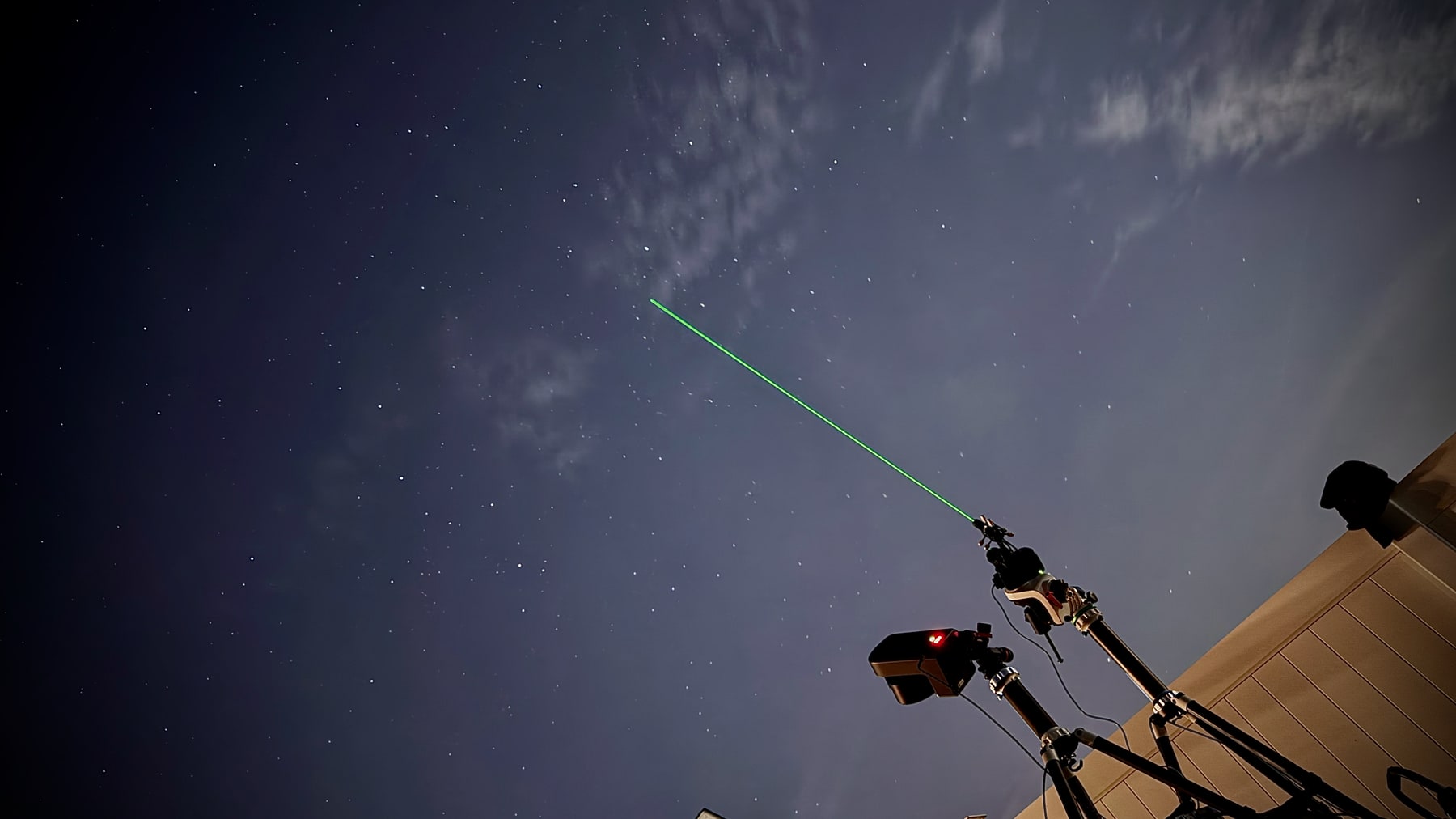
I spent many late hours in my yard, (re-)learning about polar alignment, manual star alignment, ISO, intervalometers, and manual focusing techniques. Then, once I finally got a few hundred subs, I was introduced to the joys of calibration, stacking, and working with much larger, more detailed data.
All of this has given me an incredible new appreciation for both traditional and smart astrophotography. I am even more blown away by the incredible results that I’ve seen people share from their self-assembled, cooled, auto-guided, filter-wheel mono rigs. The amount of skill, time, and dedication that goes into that is awe-inspiring. I’m also even more appreciative of how much smart telescopes bring to the table. My Seestars combine optics, imaging, focusing, a mount, a dew heater, a filter wheel, and a Wi-Fi-enabled computer, along with good planning software, live stacking, and basic editing, all for a price lower than basically any single component listed above.
I have a lot to do now :) I have a long to-do list of practices to improve my traditional workflow: power and cable management, better understanding balance, dew mitigation, and incorporating my new, secondhand Celestron 5SE. I am also hard at work evolving https://astroguide.space to better handle traditional equipment; and, of course, I’m using it to plan my next month’s worth of captures to take advantage of the amazing capabilities this new gear provides.
Comparison
North America Nebula
Explore the progression from raw, to clean, to processed, and annotated